
TechWolf, Deep Tech meets Work Tech, Context Graphs, transforming work
Reflecting on the Techwolf AI event.
On Monday and Tuesday I was in Ghent. Ghent was massive hip start up spot in 1300 AD. It is now making a comeback, in part because of the efforts of local founders, the university, investors and the local government. TechWolf’s AI day attracted nearly 1000 people to the event at the Wintercircus. Most of them from the start up community.
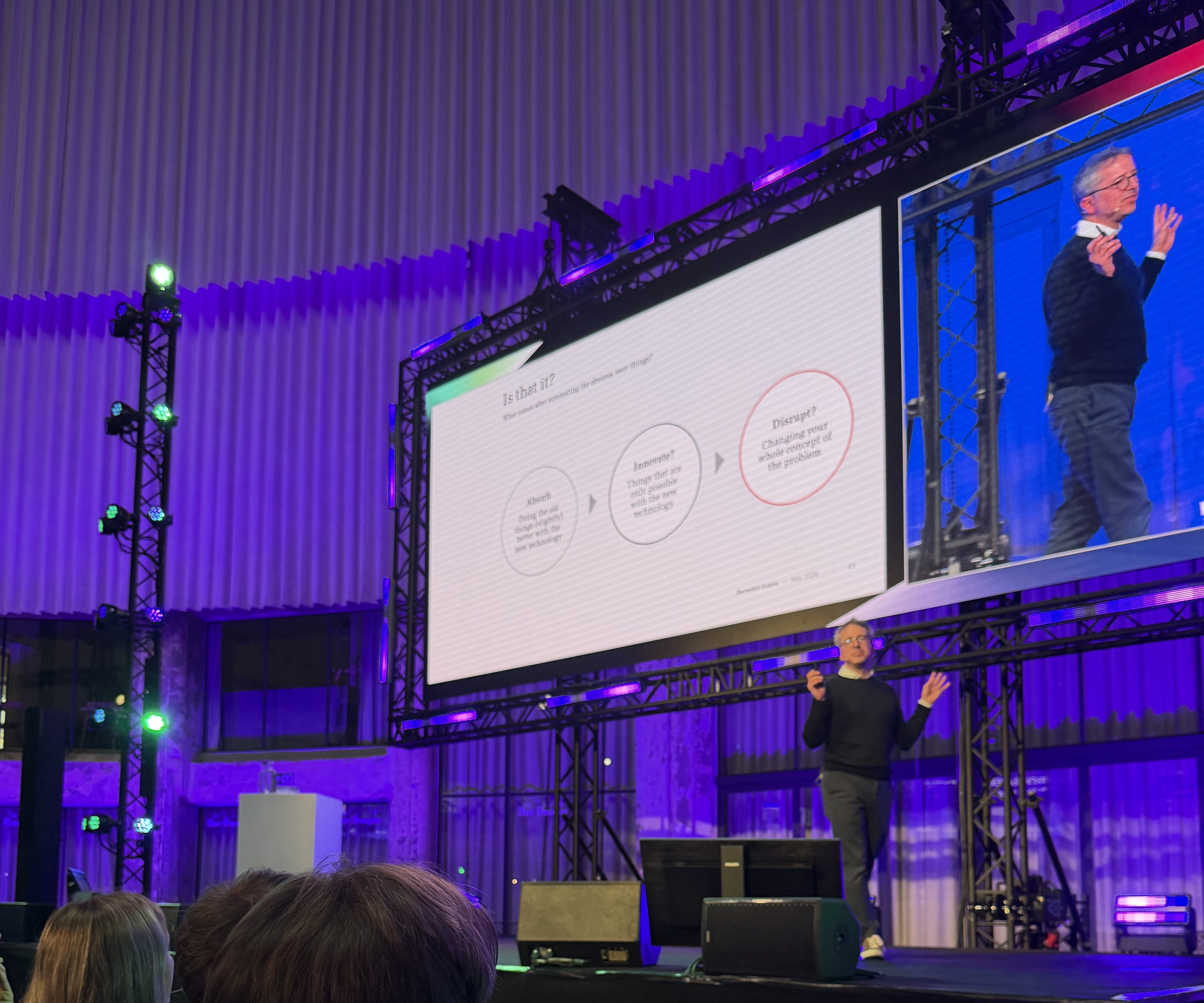
It was excellent to hear Benedict Evans speak (he speaks as well as he writes and he writes brilliantly). His Absorb, Innovate and Disrupt will stick with me.
Martina Domenicali, co-founder and CRO of Lexroom spoke brilliantly too. Legal tech continues to surprise me, gosh what a journey they are on. There are a lot of parallels and overlap between HR Tech and Legal Tech (more on that another day). The lexroom user engagement numbers were mindblowing, and her line “the market is your boss” is a banger.

I’ve worked closely with the TechWolf founders since the company was founded, and Acadian made a significant bet, and we then doubled down. I really enjoyed spending some quality time with the leaders, the product team and their community. I chatted with several customers too, including AMD and ServiceNow. It was lovely to see David Green and Julien Codorniou too. Sorry to miss Mik, who was at ServiceNow’s conference in the US.
At the risk of being a Panegyrist1
I’m not an industry analyst these days, I’m a Venture Capitalist. So I tend to write about the companies we invest in, ERP punditry exempted (Workday and SAP). I’m excited about the progress Techwolf has made, so this is going to be a happy post.
Over the last year several things have gone well for TechWolf. The organizational culture and employee brand is now coherent. Employees across the functions seem aligned work together well. Often as start ups move beyond early success, keeping culture working well is challenging. TechWolf has now nailed this.
As Mik noted, Andreas recently said, “I’m not your typical product-focused CEO, I’m a talent-focused CEO. I spend most of my time with the recruiters.” That has been the TechWolf philosophy since day one: focus on bringing in the best people, and let them fly.
Building the sales scaffold
It has built a sales machine that is worthy of the product, and while the founders are still actively engaged in major deals, they now have account managers that can sell and grow business. TechWolf is regularly closing 7 figure deals with some of the world’s most complex and demanding organizations. It has built strong and trusted partnerships with the leading incumbent enterprise vendors, and that is now paying off. There is still work to do, but scaffolding is now there to really scale.
Deep AI, open source for the AI era, embracing the geek
The company is at the forefront of building meaningful AI first solutions that actually work in production at scale in large enterprises. The depth of the engineering capability is now a scale that enables them to solve complex problems. I’d argue that the company has the strongest AI-first development in HR Tech. It is as much a deeptech company as it is an HR tech one. Have a look at JJ’s PhD work, for instance.
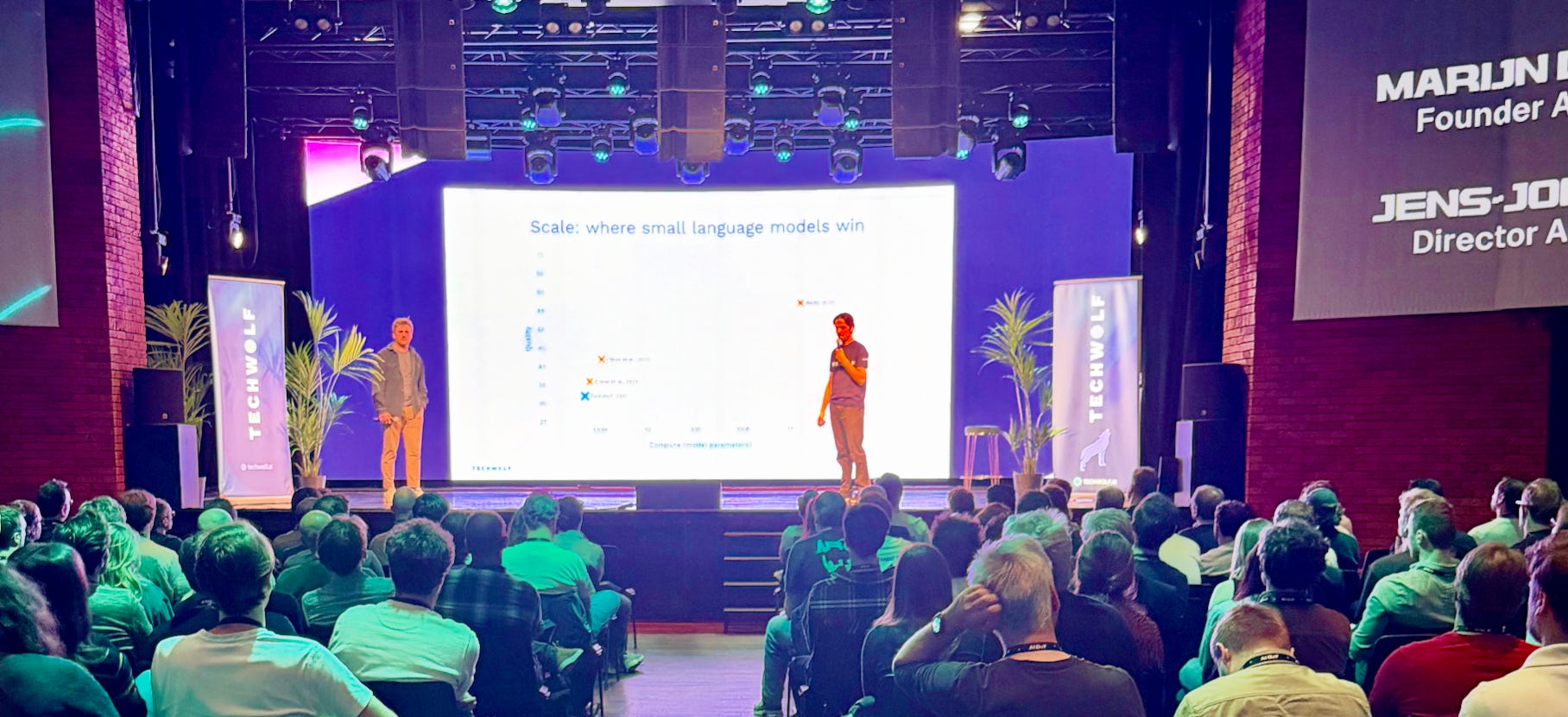
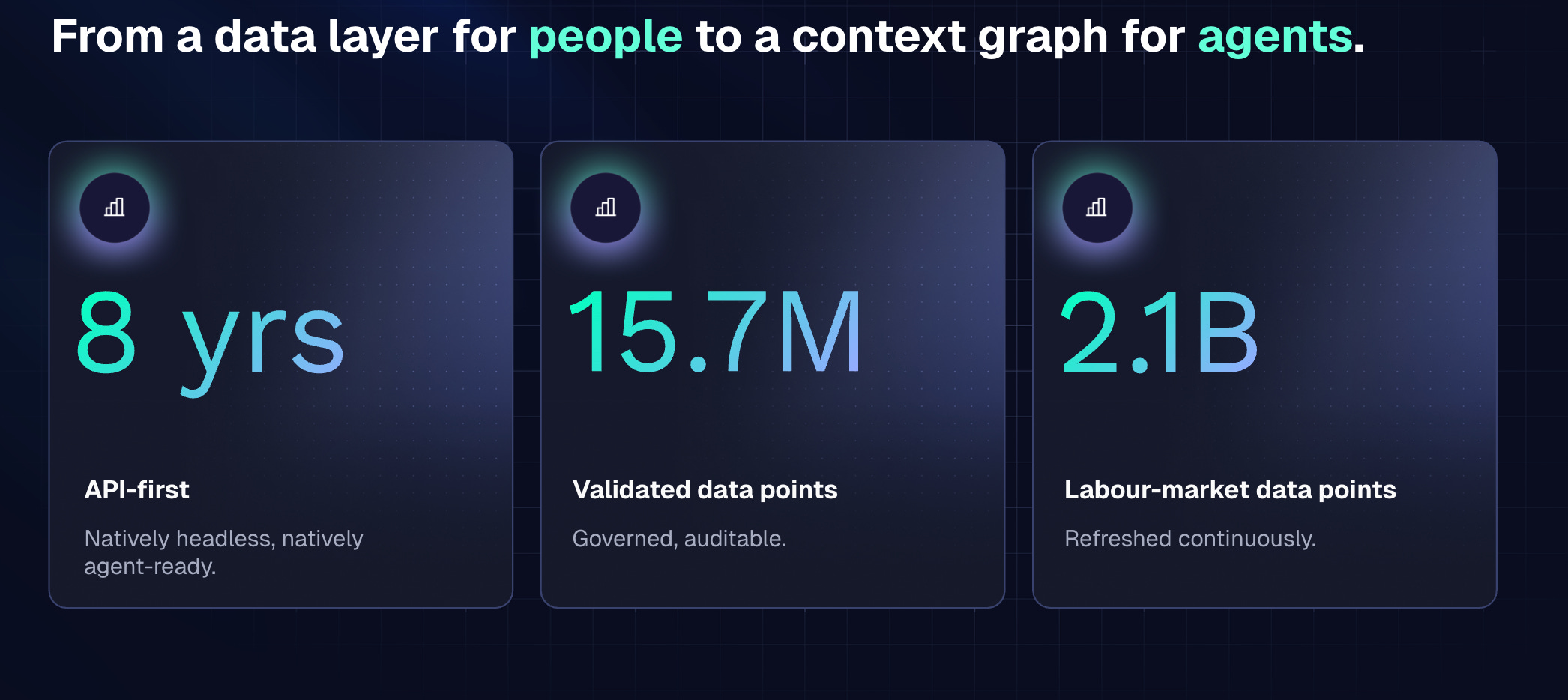
It combines proprietary AI models, a 8 year data moat and access to the internal data of many of the world’s largest companies, with top class engineering skills. This capability is hard for other startups in the space to replicate, and even the mega HRIS vendors don’t really have the deep focused AI skills that TechWolf has. It has always been API centric, it has never really had a UI. So unlike almost every other vendor, the API is the first class citizen from the first line of code. Early on it focused on responsible AI, building with GDPR and the changing provisions of the emerging EU AI Act in mind.
Techwolf has open sourced many of its models, and these have been used by other vendors, governments, researchers and corporates. While this started years ago, it now has massive momentum. This commitment to societal oversight of its models will serve as a trust magnifier and deep competitive edge. I wrote about this open source embrace a while back.
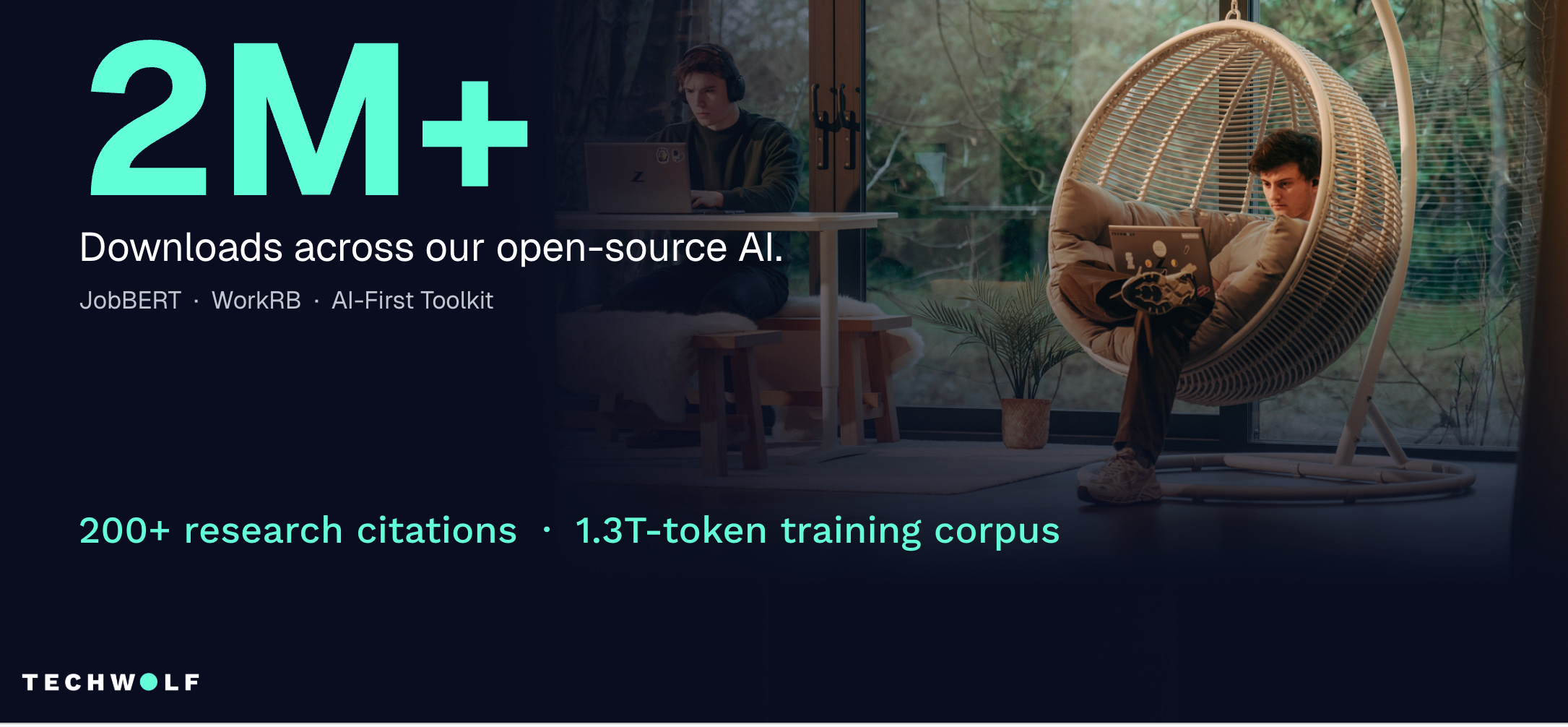
TechWolf seems to epitomise what Gill Dibner was talking about:
This suggests today’s prolific thin wrappers may soon be displaced by a paradigm resembling open-source, reinvented for the AI era.
The CTO, Jeroen, has really come into his own in communicating what and how they are building. His posts should be a must read for any founder in our space.
For instance, the productivity improvement in engineering is remarkable.
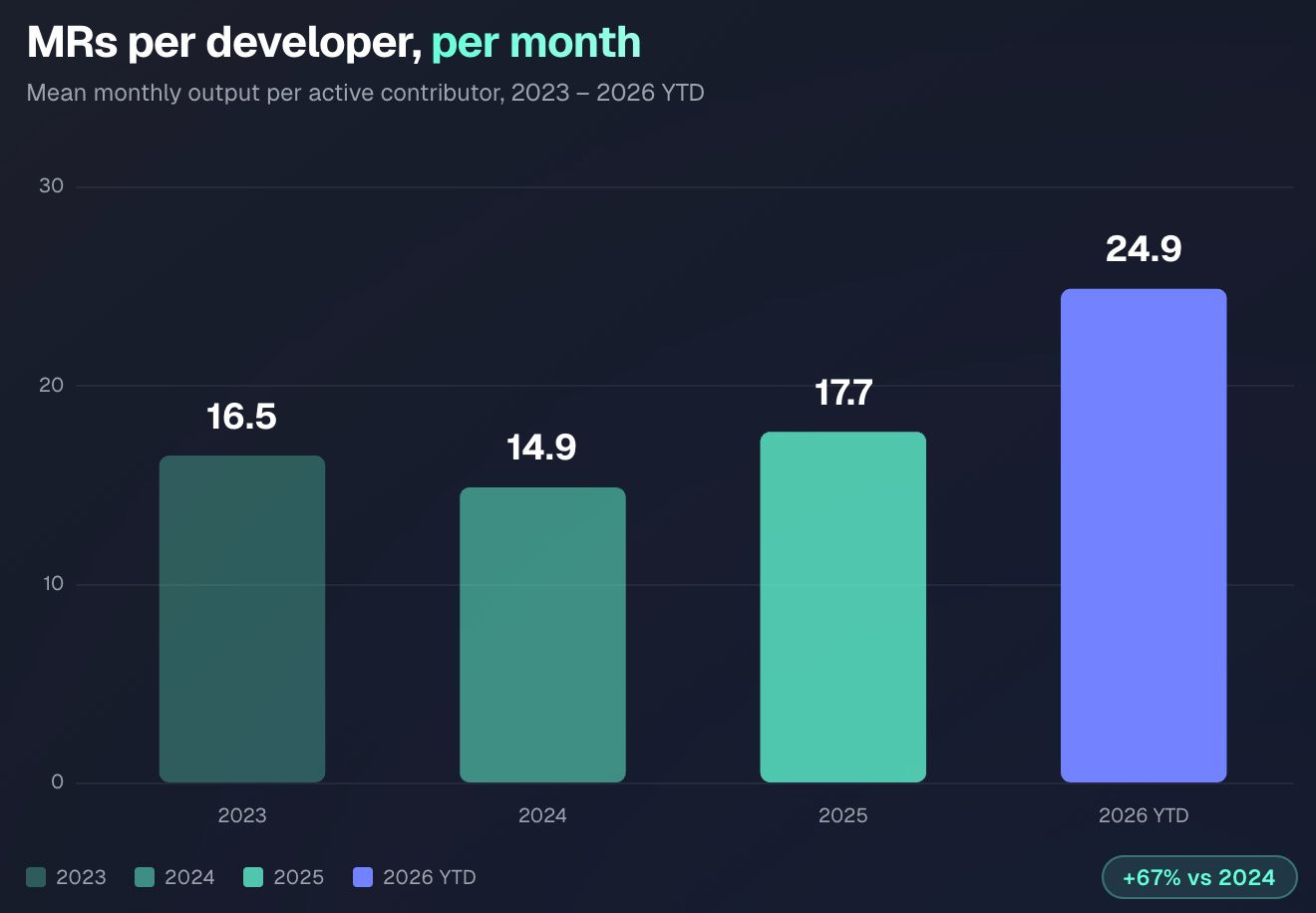
The pokemon inspired employee onboarding game is partly responsible, apparently.
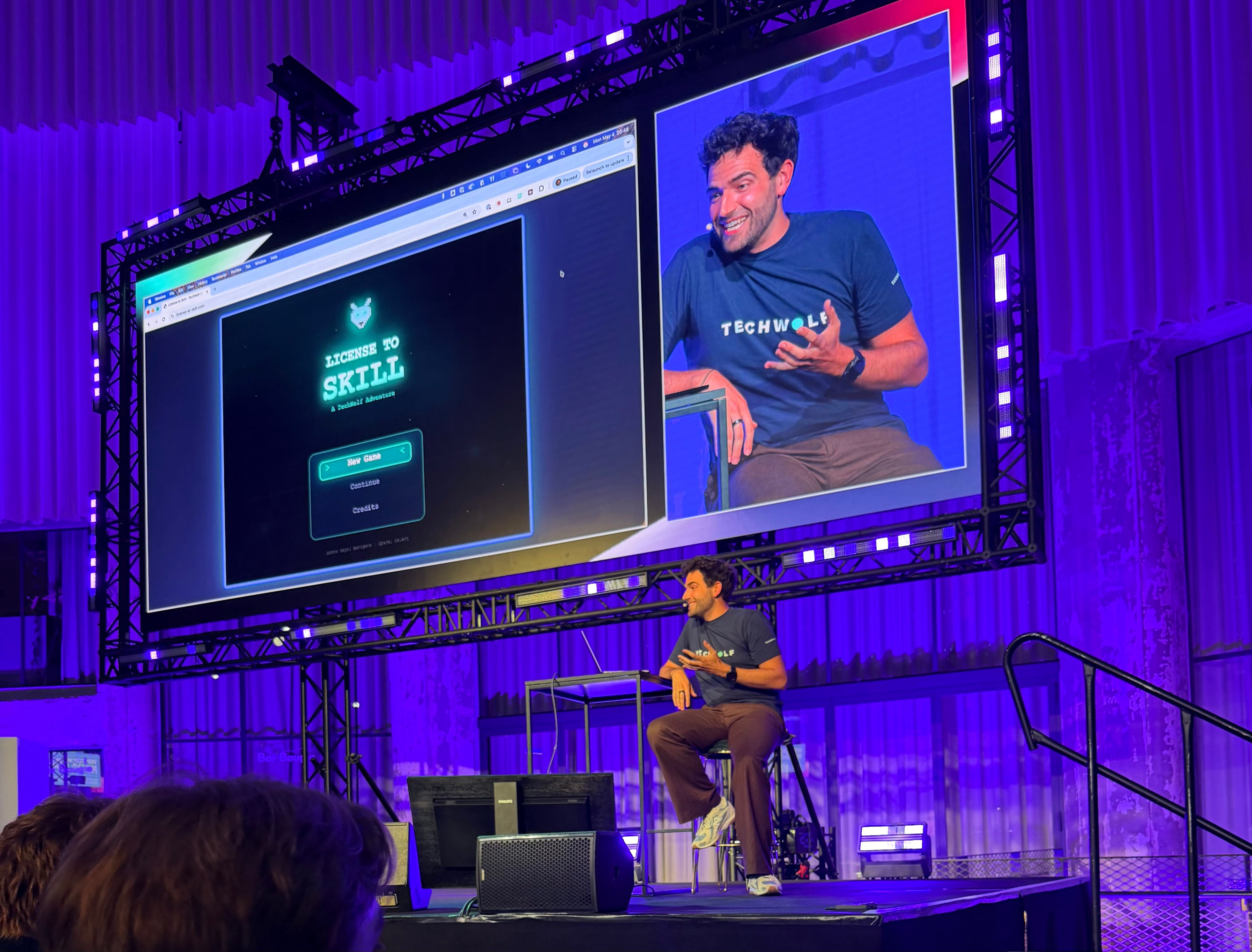
TechWolf has also opened its internal AI training materials for anyone to use.
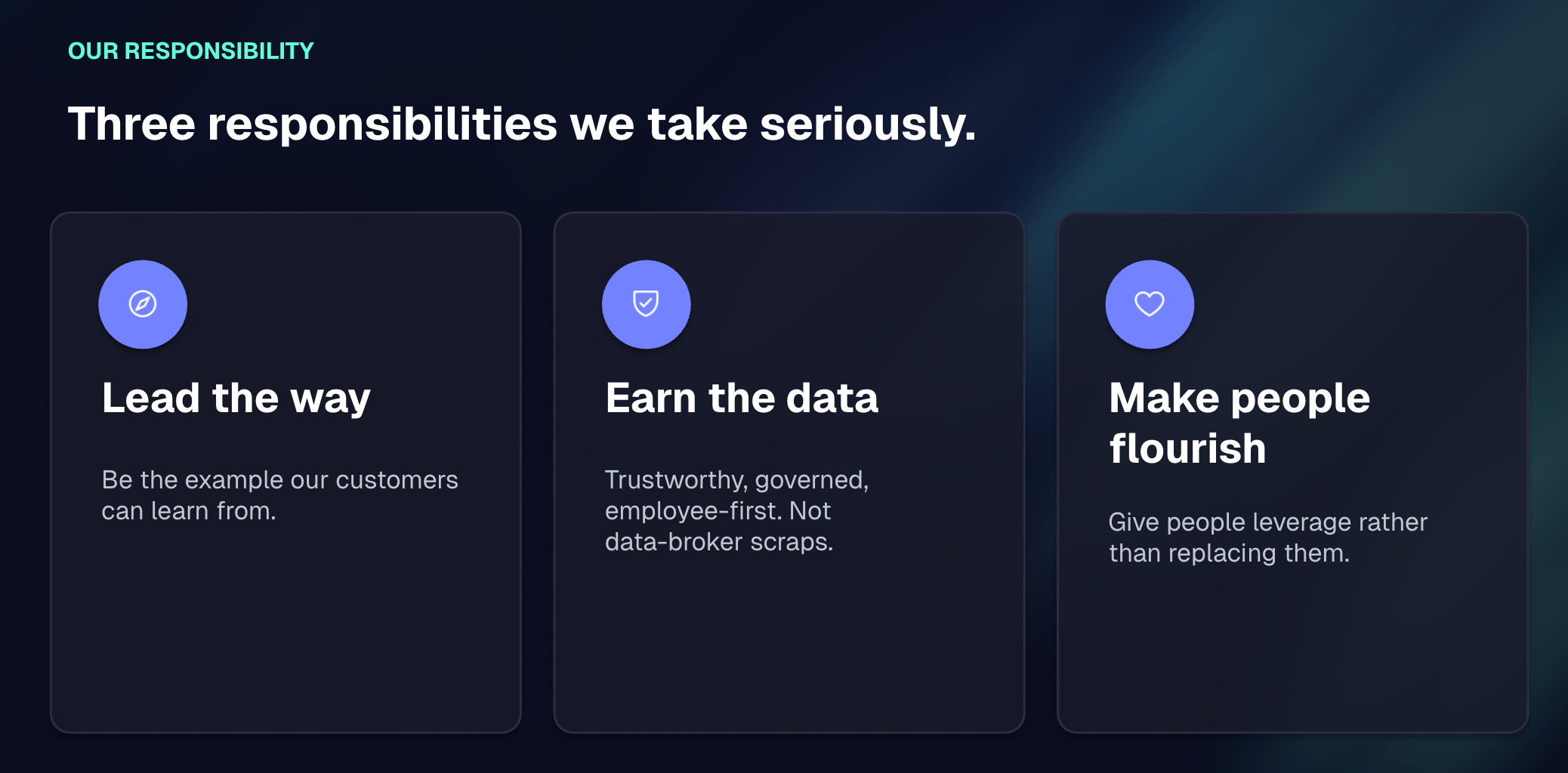
Making it work in production
The hard part of AI is deploying it effectively in the enterprise.
The customer services team has matured and scaled significantly over the last year or so. Andreas has really hired well here. It is also good to see the partnerships with leading SIs becoming stronger. The team are developing stronger implementation methods and processes, readiness assessments and more, so implementation time to value is improving. Having strong role model customers helps here too.
Product and the narrative
The product actually does what they say it does, and TechWolf’s product team has now built deep co-innovation relationships with companies like GSK, ServiceNow, HSBC, and AMD. Over the last year the product management function under Yas has really stepped up. The narrative and the product has moved on from where it was a couple of years ago. It is now well beyond the skills v jobs debate.
Techwolf isn’t just one product, it is now three, with potential for more.
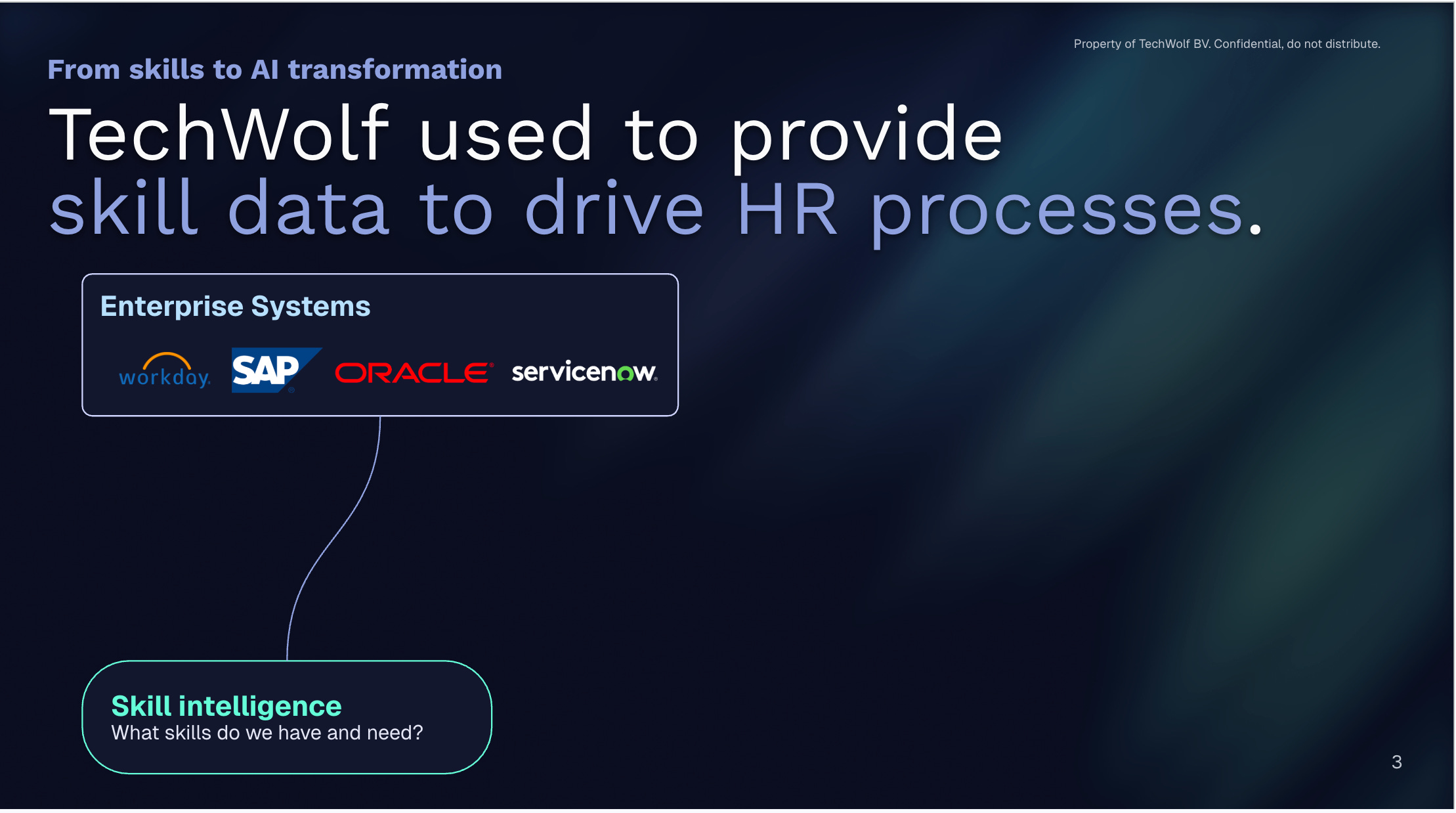
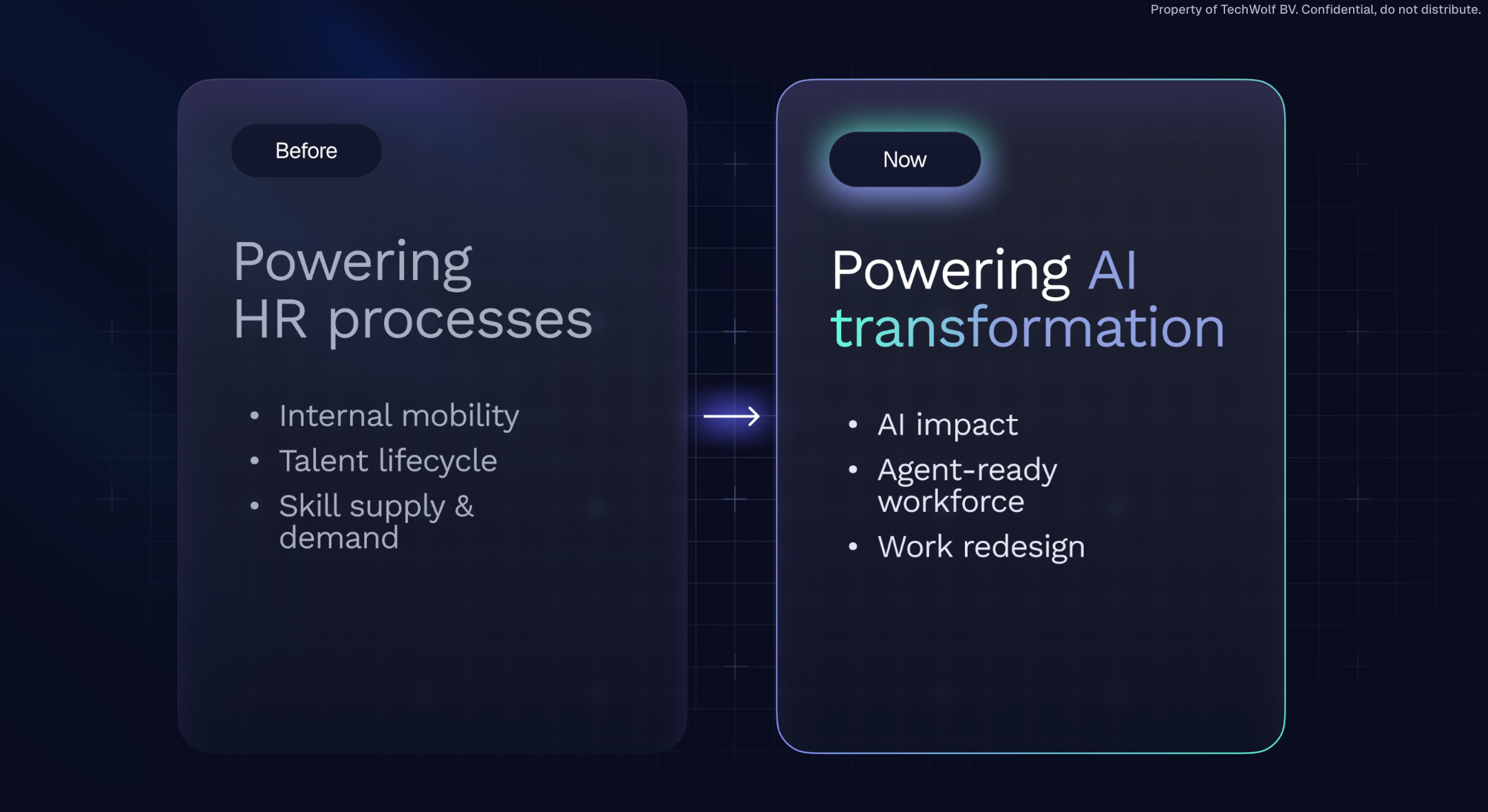
The first use case, to provide skill data for HR is still valid and robust, but now the scope is expanding.
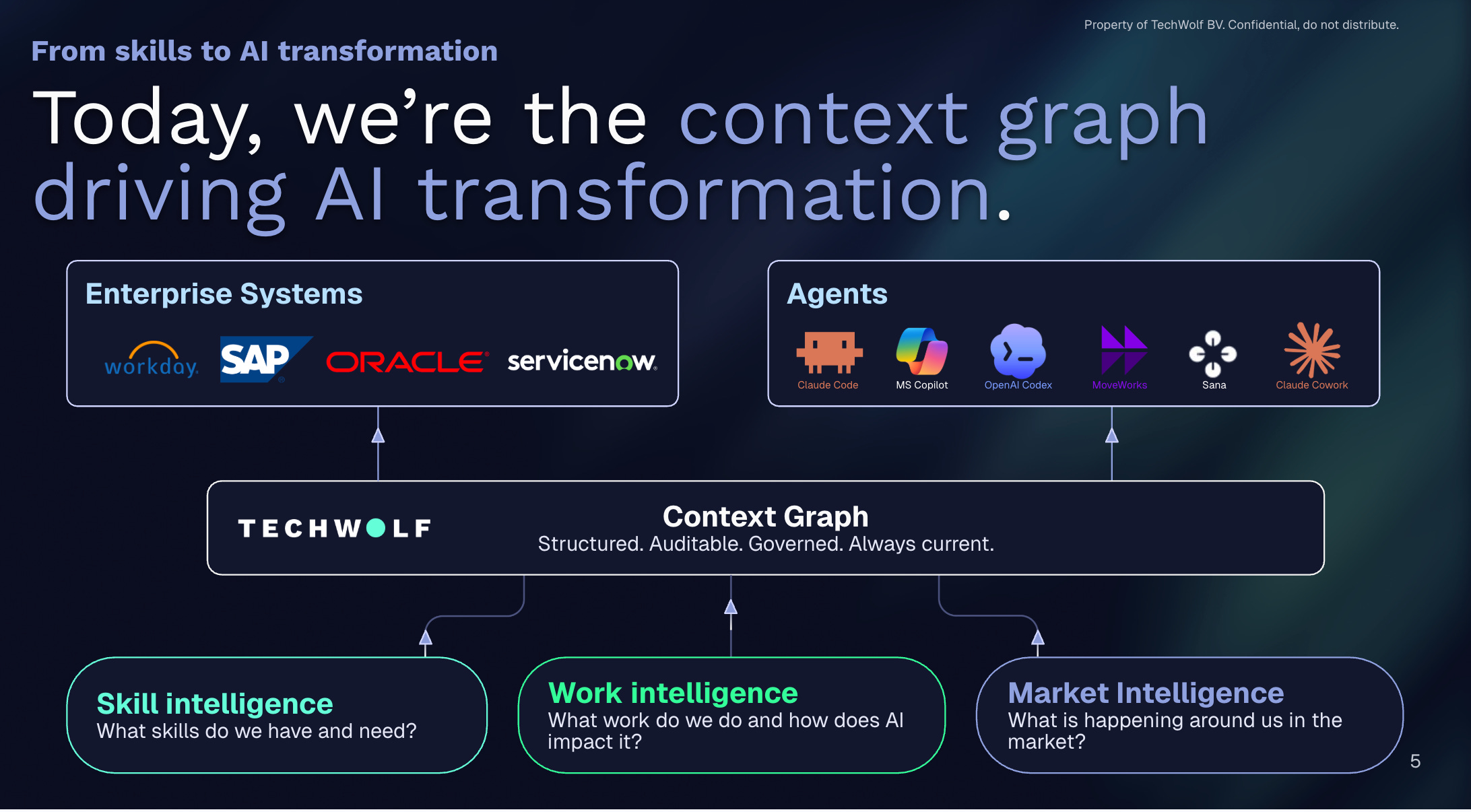
I’d argue that TechWolf is now in pole position to help the world’s largest and complex organization manage and optimize AI transformation. The work the team have done on AI and the job market deserves more attention from economists. It has the data and the algo chops to cut through some of the more hysterical rantings about AI’s impact on the job market. Check out the Work intelligence solution and research.
Who controls the context graph?
For those interested in the context graph concept, do read this post from Foundation Capital.
2026 and 2027 will involve lots of smart and not so smart people waxing on about the context graph. TechWolf has quietly built the best context graph to describe how work is done. The opportunities for TechWolf and the broader ecosystem to build value with this is simply enormous.
I don’t think the enterprise work context graph will be controlled by the frontier players, I’ve written about the stack fallacy and application tourism before. They have too much to do at the infra layer, and I’m not convinced they genuinely want to get into the last mile of making this really work. If they do, they will need to go shopping.
And I’m not convinced the transaction layer incumbents are going to win here either. Most ERP and CRM vendors have spent 20 years attempting to convince us all that their UI is a strategic differentiator, so these Road to Damascus API first revelations and simultaneous UI decapitations seem a tad opportunistic, and it will more painful than initially envisioned. Removing a UI from a complex transaction application is a bit like scraping pomodoro sauce off the pasta.
The context layers need to bridge across multiple ecosystems and application fault lines. Workday has enough problems figuring out its own API layer, never mind making friends with 100s of edge applications and traditional antagonists. SAP is currently mired in API tollbooth communication confusion.
I’d argue that ServiceNow has the most coherent incumbent positioning, but more about that another day. ServiceNow, Workday and SAP are all investors in Techwolf, btw, and Workday and ServiceNow have both deployed Techwolf internally.
I don’t think there will be one context layer to rule them all either. We are in a period of ferment here, we don’t yet have anything near a dominant design, even if the concept is compelling.
As I look across the Acadian portfolio, I see several companies in strong positions to play a meaningful role in context layers for worktech. For instance Datascalehr for payroll, Origin for Benefits, Compa for compensation, Kombo for integrations. Palette for team coordination, Peoplereign for ticketing and orchestration. It seems to me that at Acadian Ventures we are gradually assembling a portfolio of companies very well placed to create and capture value in what will be a major transition of both technologies and business models, but it is still early days.
A coda on skills
When we mention a mailbox today, we think of email. Technology has a habit of expropriating a word from the analogue, and we are at the early stage of this with skills. The future of work is going to involve “skilled” software working with skilled humans. Making this work effectively will require HR and other leaders to understand both skill forms. TechWolf has done a lot of heavy lifting, and as the term skills moves from something that HR talks about to being much more significant, it is in a profoundly good place.
TechWolf understands that deploying AI is all about the people.
I left Ghent feeling excited.
As I almost always do. Here’s a song. Wolf Alice. Last time I wrote about TechWolf I used Duran Duran.
This is my new favourite old word. There is nothing quite like finding a rarely used word and overusing it.
Bringing the good news from Ghent to Aix? 😃
Lots to take in, many thanks!